Moving a disabled car beyond New York City takes route planning before the hook. The operator needs the pickup, destination, vehicle details, and a legal truck route.
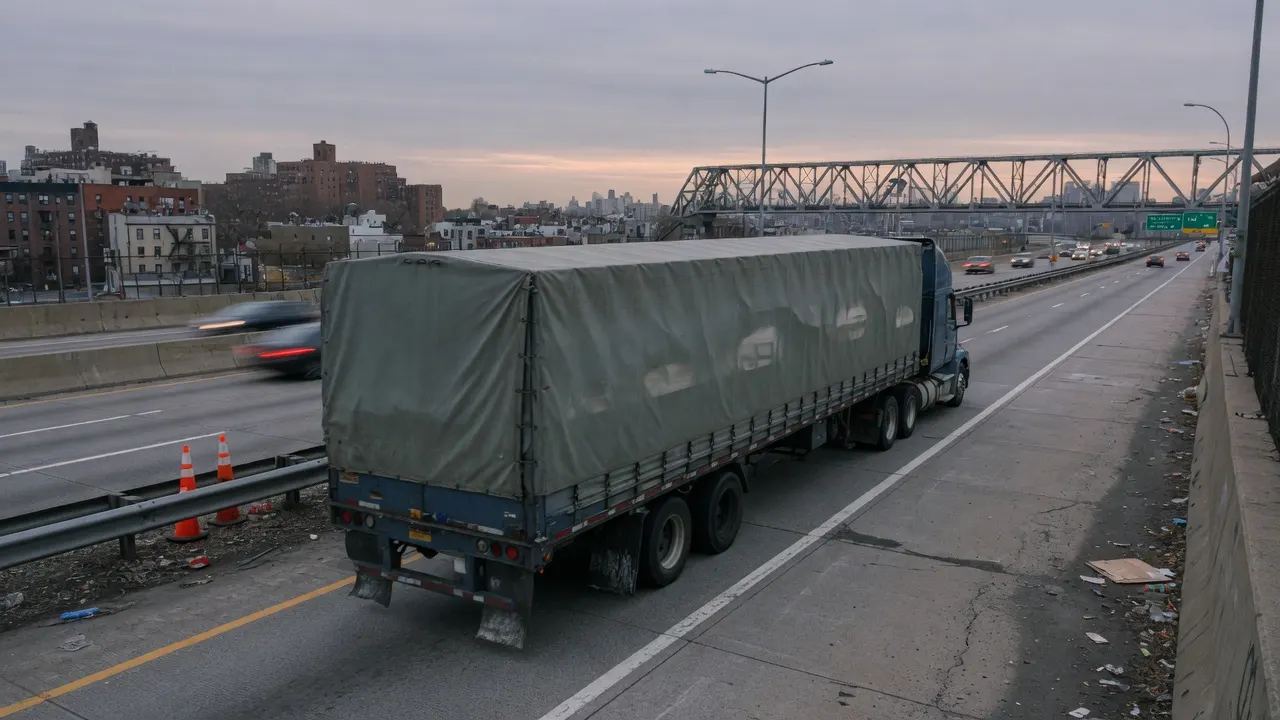
Leaving the five boroughs is a different dispatch than a local hook
A short shop tow might remain within one borough. A long-distance job can cross bridges, leave city limits, and end hours from the pickup. That changes which operator can accept the work.
Quick Tow NYC serves pickups across Manhattan, Brooklyn, Queens, the Bronx, and Staten Island. We match drivers with independent local operators. We don’t own trucks, perform towing, or operate a storage yard.
The destination matters from the first call. A repair shop in Jamaica isn’t the same dispatch as a shop in Westchester, Long Island, or New Jersey. The matched operator must confirm that destination before leaving for the pickup. Availability outside the city depends on that operator and the planned trip.
The price also comes from the matched operator. Quick Tow NYC doesn’t publish a mileage rate, hookup charge, or long-haul flat rate. Those figures couldn’t be confirmed as one citywide standard because operators set their own prices. The price is quoted before dispatch. Confirm what the quote covers, including loading, route, destination, and any requested vehicle handling.
A planned vehicle move also differs from an impound release. If the car disappeared from a public street, check the NYPD towed-vehicle information before arranging transport. A parking-violation tow may place it in a borough pound. A private-property tow may place it in an operator’s lot. The car must be available for release before another operator can collect it.
Our long-distance towing service is for drivers who already know where the vehicle needs to go. Have the full destination ready, not only a city or ZIP code.
Parkways, bridges, and why routing is the job
New York’s fastest car route may be illegal for the tow truck. Commercial vehicles, trucks, and tow trucks are banned from NYC parkways. That list includes the Belt, FDR, Henry Hudson, Cross Island, Jackie Robinson, Bronx River, Hutchinson, Mosholu, Pelham, Ocean, Korean War Veterans, and Grand Central parkways.
The Grand Central Parkway has a limited single-unit exception between the RFK Bridge and the BQE. That doesn’t turn it into a general tow-truck route. Dispatch still needs the equipment type and exact approach.
Consider a disabled car near Jamaica. A passenger-car navigation app may point toward the Grand Central Parkway or Belt Parkway. A towing operator may need the Van Wyck Expressway, BQE, or another legal truck route instead. The legal path can be longer than the route shown on the customer’s phone.
A Financial District pickup creates different constraints. The operator must consider the garage exit, Lower Manhattan streets, and the correct bridge or tunnel approach. A tow headed through the Holland Tunnel also faces Port Authority vehicle restrictions. Destination, truck configuration, axle count, height, and cargo can change whether that crossing works.
A Staten Island trip brings the Verrazzano into the plan. The operator may need to stage the vehicle before joining the bridge approach. A tow truck coming from Brooklyn can’t simply follow the Belt Parkway like a passenger car.
Share the exact pickup entrance and final drop-off. Include the repair shop’s driveway or receiving area when possible. The operator chooses the truck route. Don’t direct the truck onto a parkway because an app shows a shorter trip.
Borough-to-borough shop runs versus a trip off the island
Distance alone doesn’t define the job. A borough-to-borough tow may involve more street congestion and tighter loading space than a farther trip beyond city limits.
A car moving from Jamaica to a Brooklyn repair shop could stay inside New York City. Yet the operator still needs a legal route around parkway restrictions. The Van Wyck, BQE, local truck routes, and the shop entrance all affect the dispatch.
A Manhattan car going to Staten Island adds a bridge crossing and another borough’s street network. A vehicle leaving Staten Island for New Jersey creates a different route again. Quick Tow NYC serves the five boroughs, but it doesn’t claim a service territory in New Jersey, Long Island, or Westchester. Those places may be destinations when a matched operator accepts the trip.
Confirm these details before dispatch:
- The complete pickup address and loading position
- The complete destination and receiving entrance
- Whether the destination will accept the vehicle
- The vehicle’s operating condition
- Any garage, gate, ramp, or clearance issue
- Whether keys and an authorized person will be present
- The quoted price and accepted payment method
Don’t assume the tow includes storage or a later redelivery. Ask what happens if the destination is closed or refuses the vehicle. That point should be settled before the hook.
A scheduled shop transfer may offer more planning time. A roadside breakdown demands faster decisions, but it still needs an approved destination. If the driver hasn’t selected a shop, choose one before committing to a long trip.
The operator’s quote should match the confirmed route and destination. If either changes, ask for an updated quote before the vehicle moves.
Weight, height, and vehicles that cannot take a wheel-lift
The correct towing method depends on the actual vehicle. The badge on the trunk isn’t enough. Dispatch may need the year, make, model, configuration, condition, and manufacturer towing instructions.
A low-clearance exotic in a Financial District garage may call for a flatbed. The garage ramp and exit height matter before a truck enters. Tell dispatch about splitters, modified suspension, locked steering, damaged wheels, or a car that won’t shift into neutral.
All-wheel-drive vehicles, electric vehicles, classics, and cars with collision damage may have specific loading limits. Don’t guess from appearance. Check the owner’s manual or manufacturer guidance, then share that information with the operator. Our guide to choosing a flatbed or wheel-lift in NYC explains the basic dispatch decision.
A flatbed tow truck service may be requested when the vehicle shouldn’t travel with wheels rolling on the road. That isn’t a promise that every flatbed can enter every garage or carry every vehicle. The matched operator must check the vehicle and access conditions.
Larger commercial vehicles need a separate equipment review. Share the vehicle type, body configuration, load condition, and known dimensions. If the vehicle is loaded, say what it carries. Don’t describe a box truck, bus, RV, or tractor as simply “a truck.”
For those jobs, start with heavy-duty towing. The operator decides whether the available equipment fits the vehicle and route. Quick Tow NYC doesn’t own a rotator, heavy wrecker, or lowboy.
Never estimate clearance when a garage sign or vehicle specification is available. Send a clear photo of the posted height and the vehicle’s position.
What dispatch needs before matching a long-haul operator
Good dispatch information prevents the wrong truck from starting toward you. Begin with your exact location. A cross street helps, but it doesn’t replace an address, garage entrance, highway direction, or accessible loading point.
Next, describe the car and its condition. State whether it starts, rolls, steers, brakes, and shifts into neutral. Mention collision damage, missing wheels, locked wheels, deployed airbags, leaking fluid, or damaged suspension.
Dispatch also needs the destination. Give the business name, street address, receiving entrance, and any known access limits. Confirm that someone there expects the vehicle. For a residence, check that unloading is permitted and physically possible at the chosen spot.
Have these answers ready:
- Where are the keys?
- Who can authorize the tow?
- Is the car inside a garage or behind a gate?
- Are all tires and wheels attached?
- Does the steering unlock?
- Is the vehicle carrying personal property or cargo?
- Does the destination have restricted receiving hours?
- Are there bridge, tunnel, or property access concerns?
Photos can help describe tight ramps, wheel damage, and loading space. Send wide views, not only close-ups. Include the vehicle, nearby obstacles, and the path a truck would use.
Before dispatch, review the operator’s quote. Confirm the pickup, destination, equipment, and payment terms. No universal NYC long-distance mileage rate could be confirmed. The matched independent operator sets the price and states it before dispatch.
When to call us
Call when the vehicle must cross boroughs or leave New York City, especially when truck routing or loading equipment needs review. The line is answered around the clock, and we match you with an independent local operator after collecting the trip details. Call us at (929) 356-7857.